Plan ahead Repairs · Oakville
Garage Door Safety Inspection
You moved in three months ago. The door works, but nobody can say how old the springs are, when anyone last looked at it, or whether the little sensors by the floor have ever been tested.
Call now · open 24/7(289) 815-6458In plain words
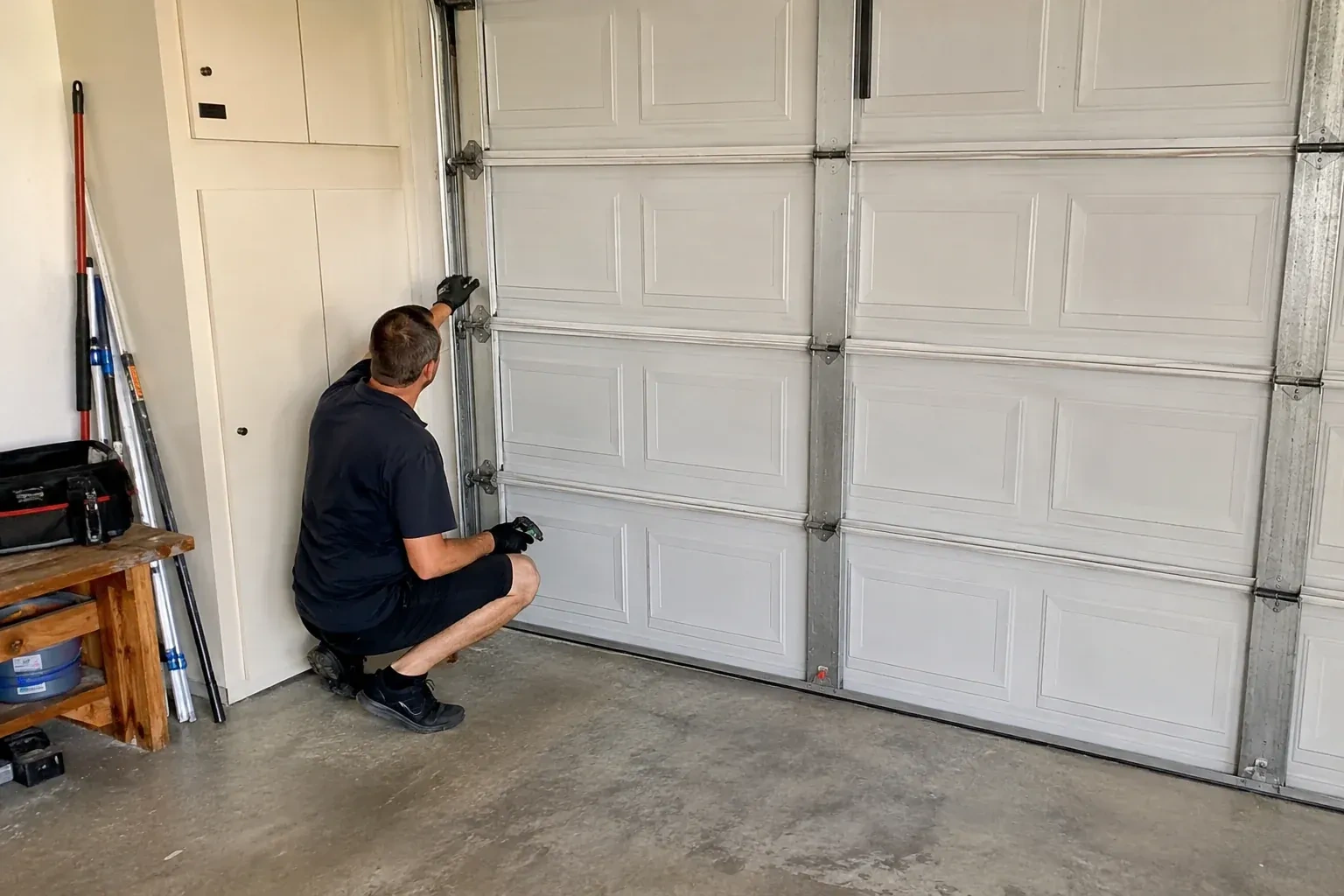
The visit runs in a settled order. First the door and opener are identified and the right test procedure looked up. Then a visual walk of the closed door, from the top section down to the bottom seal, and along both tracks. Next a full cycle under power while the technician listens and watches. Then the opener is disconnected for the manual balance check, reconnected for the reversal and photo-eye tests, and the controls, release cord and mounting brackets are checked. Finally the findings are explained at the door and written up, so you know exactly where the door stands before anyone leaves.
How the visit goesOn bright afternoons the door goes down a metre, stops, and climbs back up while the light on the opener blinks. After dark it closes perfectly. Nothing has changed except the weather.
Garage Door Safety Inspection · Oakville
How the visit goes
- 1
Watching one full cycle under power
Before anything is measured, the technician stands back and runs the door through a full open and close, listening as much as watching. A healthy door sounds even from bottom to top; a knock at the turn into the horizontal track, a squeal at a particular hinge, a grinding drum or a motor that changes pitch under load each point somewhere specific. The eyes follow both bottom corners to see whether they leave the floor together, the top section as it passes the curve, and the final inch of closing, where the door should settle onto its seal without a thud. This one cycle often tells the technician where to spend the rest of the visit.
- 2
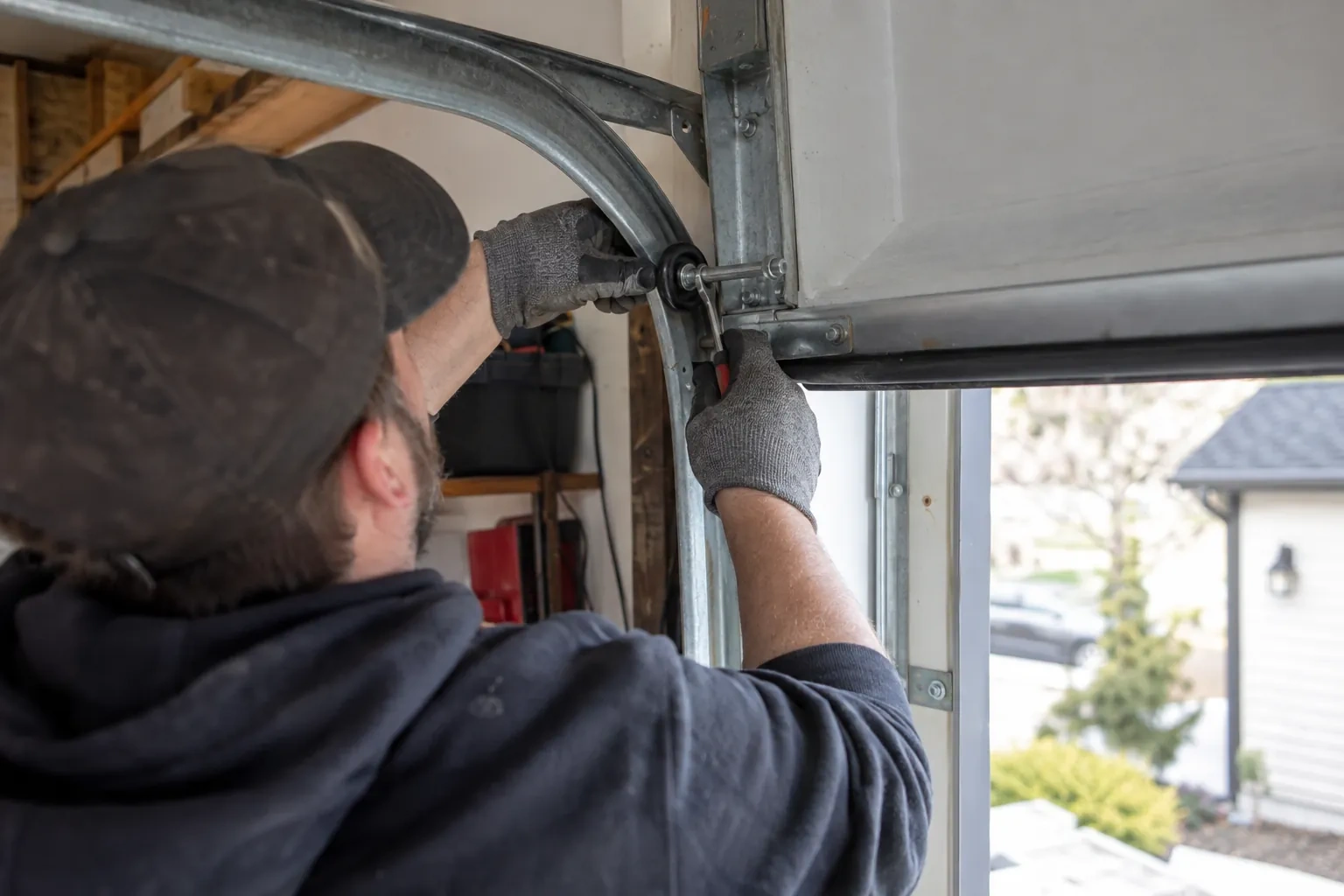
Fasteners, tracks and hinges with tools in hand
Once the door has been tested, the technician goes back along it with a socket set and a level. Every hinge bolt and track bracket is checked for tightness, and any that has backed out is snugged; the bottom roller brackets are left to the trained, system-specific handling their lift-cable tension calls for, not a routine snug. The vertical tracks are checked for plumb and the horizontals for level, with the door-to-track gap measured and any pinch or flare recorded. Hinges are numbered from the bottom up and a hinge in the wrong position, often left from an earlier repair, is noted. A stripped fastener or a bent bracket becomes a repair item rather than a tightening.
- 3
Knowing what normal sounds like
Once the door has been checked and any maintenance done, take a moment to listen to it run a couple of times. That even, unremarkable sound from the floor to the top of travel is the baseline. From now on a new knock, a squeal at one height, a motor that labours for a second at the start, or a door that lands with a thud instead of settling is a change from that baseline, and a change is easier to describe on the phone than a vague sense that something is off. Many owners find that after one inspection they hear their door differently, and that awareness is worth as much as the report.
In the van
- Replacement hinge and track fasteners
- Spring and cable gauges
- Socket set and nut drivers
- Camera for findings
- Inspection checklist and report form
What affects the quote
- 1
Small parts replaced on the spot
A missing hinge bolt, a stripped track lag or a remote battery can be replaced from the van. Parts fitted this way are listed individually rather than folded into the inspection.
- 2
Findings that change the scope on the day
If a stop-use item turns up, securing the door and explaining the correction takes extra time on the visit. That, and any work you approve, is quoted separately before it starts.
- 3
The kind of report you need
A plain findings sheet suits most households. A photographed, measured report for a sale, a rental file or a property manager takes longer to prepare and is quoted as such.
Same fees day, night or weekend.
Garage Door Safety Inspection: questions
My opener is old and has no photo eyes. Can it still be inspected?
Yes. Older openers rely on contact reversal alone, so the board test carries more weight and is run carefully against the maker's procedure, along with the manual balance check, the force setting and the release. The report records what the opener has and how it performed. An opener built before photo eyes became standard is flagged for replacement in the report, since makers recommend moving off that generation of opener rather than treating photo eyes as a nice-to-have.
My door is quite old. Is an inspection still worthwhile?
Yes, and often more so. Age alone does not say how much life is left in a spring or a roller, but condition does, and an inspection measures condition. Many older doors are sound and simply need a few worn parts and fresh lubricant. Where the report shows several items coming due at once, you can weigh planned repairs against a new door with real information rather than a guess.
What is the balance test and why does it matter?
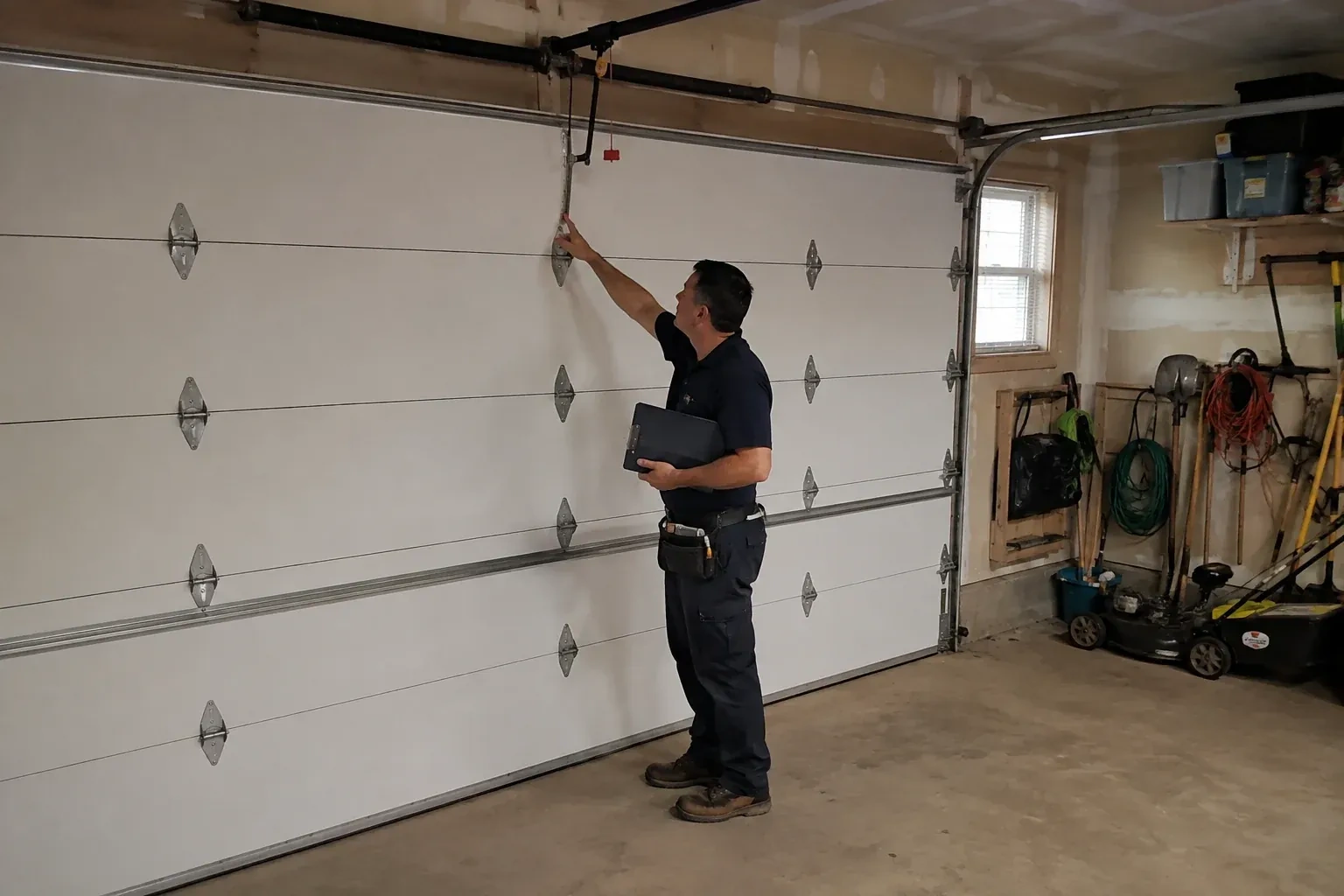
With the opener disconnected, the door is lifted by hand. If it moves with light effort and stays put at waist height, the springs are carrying its weight as designed. If it drifts up, sinks or feels heavy, the springs are out of step with the door and the opener has been doing the lifting. That strain shortens the opener's life and can defeat its reversal settings, which is why balance is checked first.
Repair & Maintenance
Bigger photo, sooner job: Emergency Book soon Plan ahead
 Plan aheadGarage Door Tune-Up
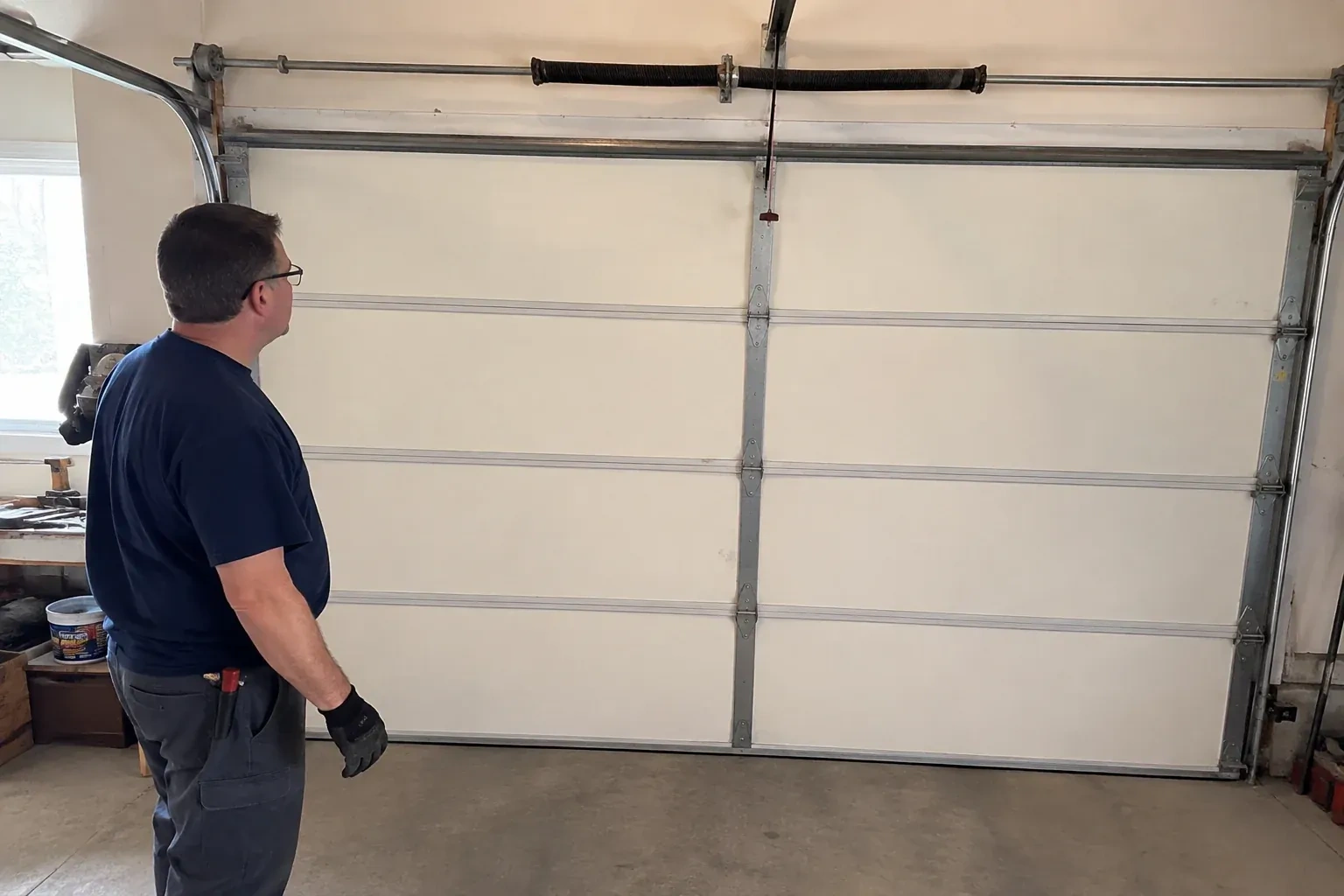 EmergencyOff-Track Garage Door ResetThere was a loud bang from the garage, then silence.
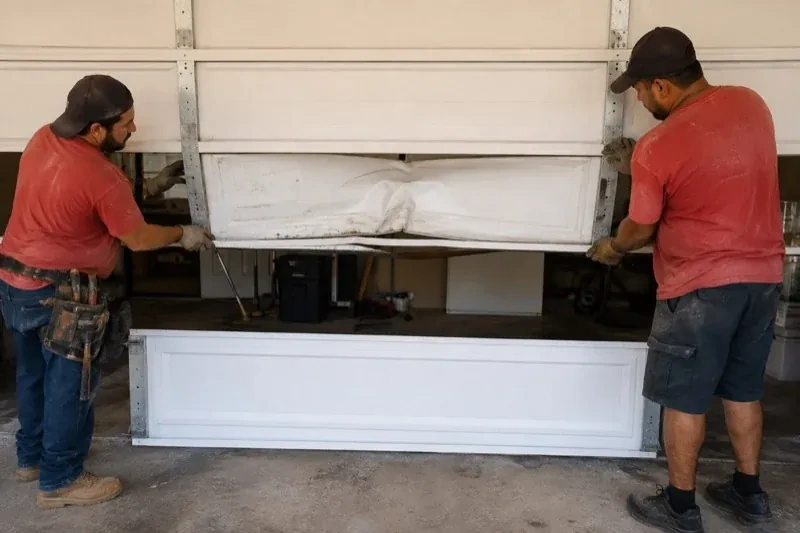 Book soonGarage Door Panel ReplacementThe top section has developed a bend where the opener arm pulls on it.
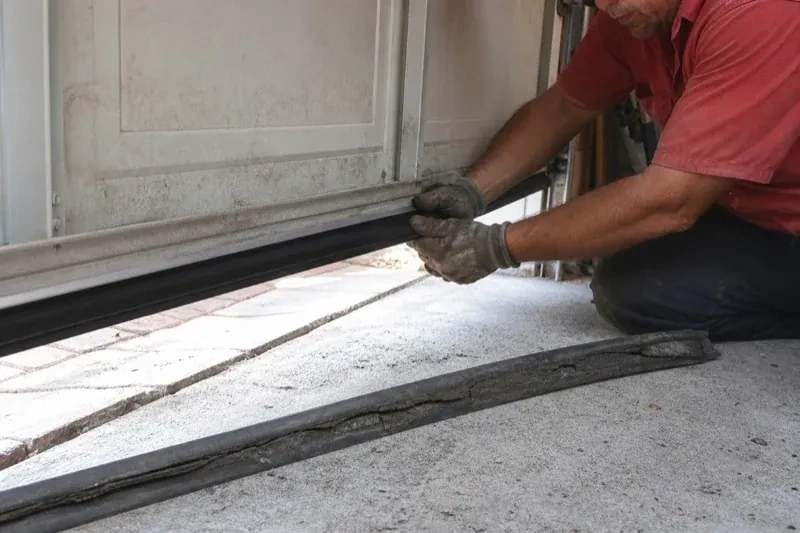 Plan aheadGarage Door Bottom Seal Replacement
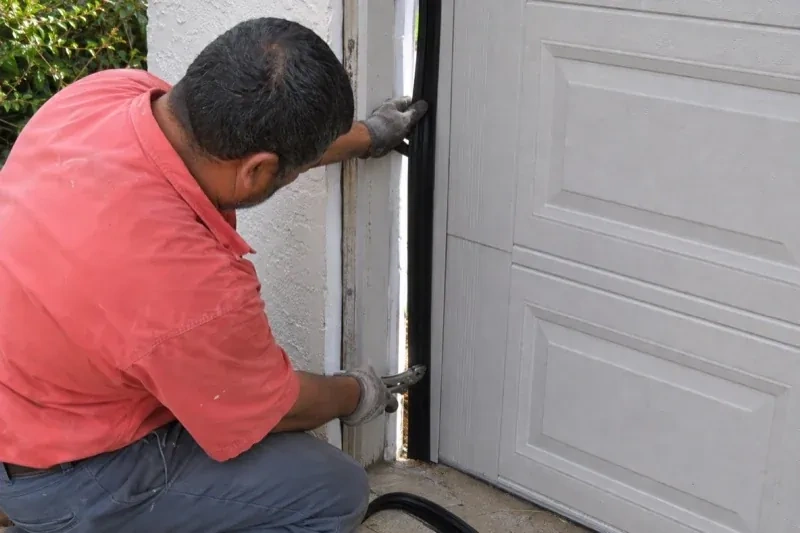 Plan aheadGarage Door Perimeter Weatherstrip
Garage Door Safety Inspection near you
Halton, Ontario
Oakville information
- Town
- Oakville, Halton, Ontario
- In business
- 21 years
- Hours
- Open 24/7 · nights, weekends and holidays, same fees
- Phone
- (289) 815-6458
- Visits
- On-site assessment preferred. Request a visit or call.
What the census means at the door
27%
Newer homes. About 27% of homes in Oakville were built in 1980 or earlier, according to the 2021 Census.
Newer garages tend to have generous headroom and a finished ceiling, so options such as a jackshaft opener mounted beside the door, or a high-lift conversion for a car hoist, are practical. The technician checks the space and explains what would fit.
59%
A mix of homes. Single-detached houses make up about 59% of homes in Oakville (2021 Census).
Mixed housing brings mixed garage use: workshops and storage in the detached homes, everyday parking and a tight squeeze in the attached ones. Sealed rollers and protected sensors suit the busy workshop door; a quiet opener and a well-balanced door suit the townhouse.
Open 24/7
Request a visit
You moved in three months ago.
Call now · open 24/7(289) 815-6458- On-site assessment preferred
- Same fees day, night or weekend
- 21 years in business